Dome and bullet are the two most common CCTV camera body styles, and clients often assume one is simply "better" than the other. In reality, they're built for different jobs — the right choice depends on where the camera is going and what you want it to do.
Dome cameras have a compact, low-profile shape that blends into a false ceiling or wall corner. Their casing hides which direction the lens is pointed, which makes it harder for someone to know exactly what's being watched. That makes them a natural fit for indoor spaces like offices, retail counters, reception areas and living rooms, where discretion and a clean look matter as much as coverage.
Dome cameras blend in indoors, bullet cameras stand out outdoors — pick based on the job, not the shape.
Bullet cameras are the cylindrical, forward-facing units you'll usually spot mounted on an outer wall or gate. Their long, visible housing is part of the point — a bullet camera doubles as a visual deterrent, warning anyone approaching that the property is being monitored. They're also built with weatherproof housings and longer IR range, which suits gates, parking areas, entrances and building perimeters that need to be watched from a distance in all weather.
Mounting also plays a part in the decision. Dome cameras are harder to tamper with because the direction of the lens isn't obvious and the housing resists physical knocks, which is why we recommend them for areas with public foot traffic. Bullet cameras are easier to aim precisely at a single spot — a gate, a cash counter approach, or a driveway — because the housing itself shows where it's pointed.
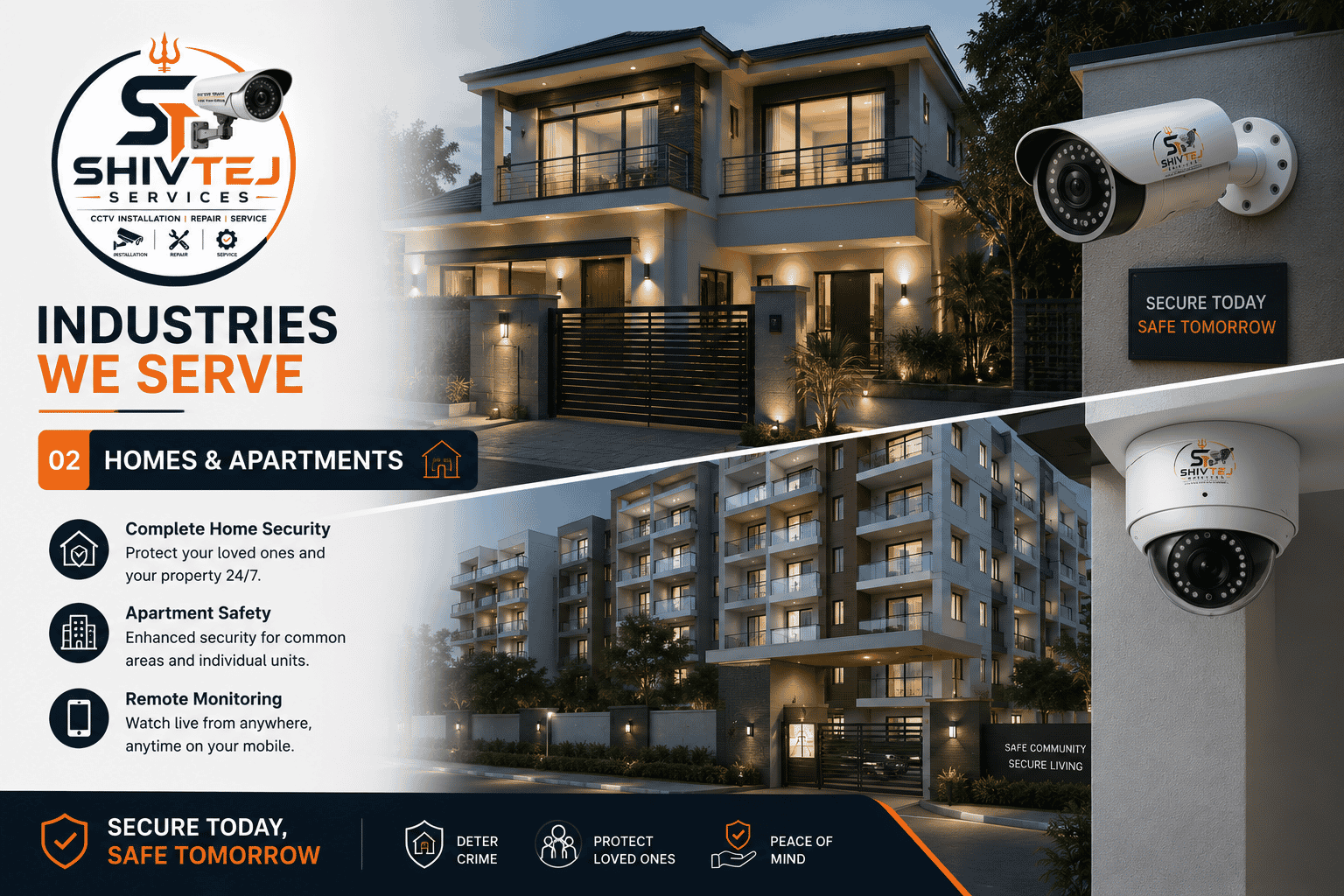
Most properties end up using a mix of both: dome cameras for indoor areas and covered walkways, bullet cameras for open outdoor perimeters and entrances. During our free site inspection, we recommend the right type for each spot instead of using one style throughout.
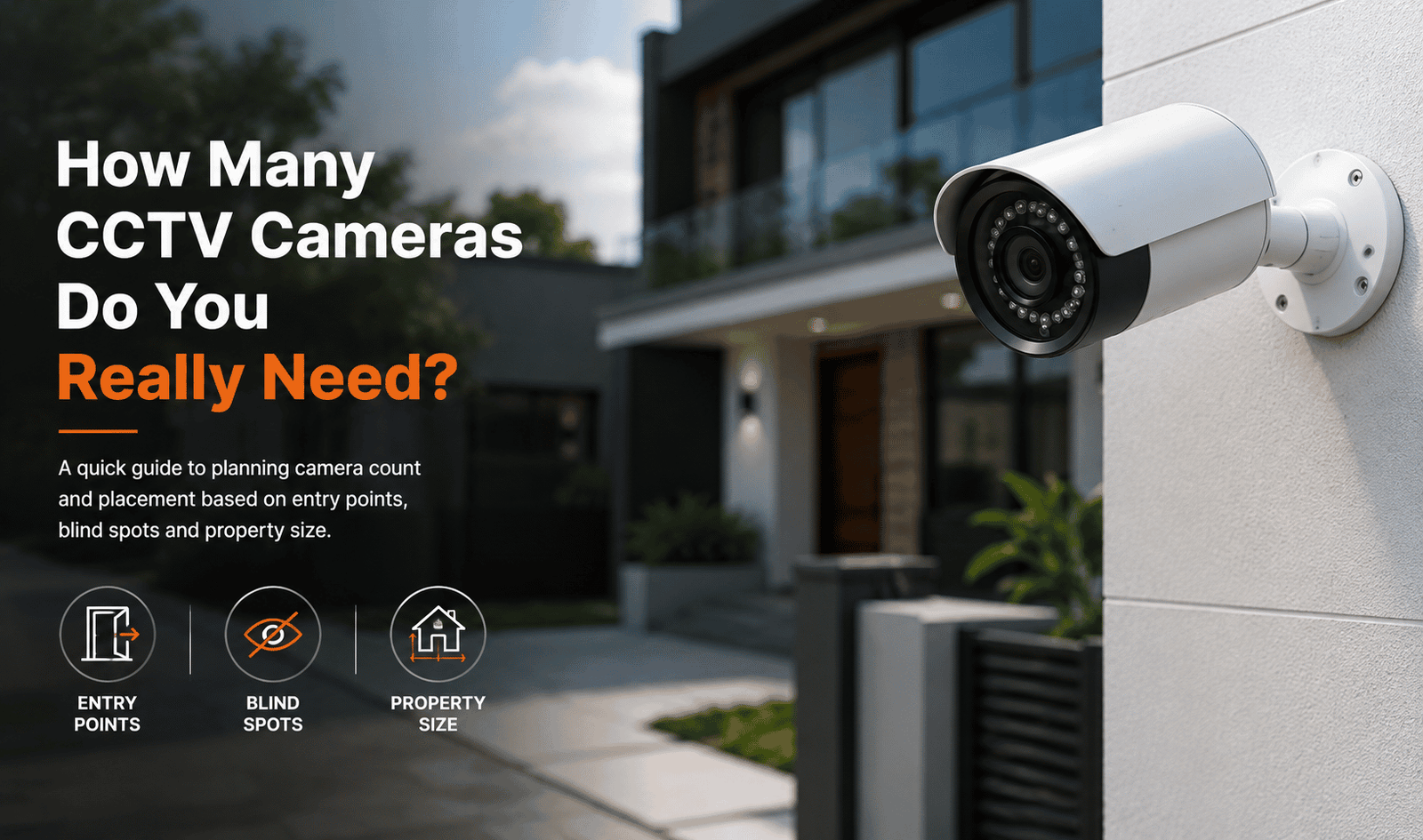
Choosing the right number of cameras depends on property size, entry points and blind spots.
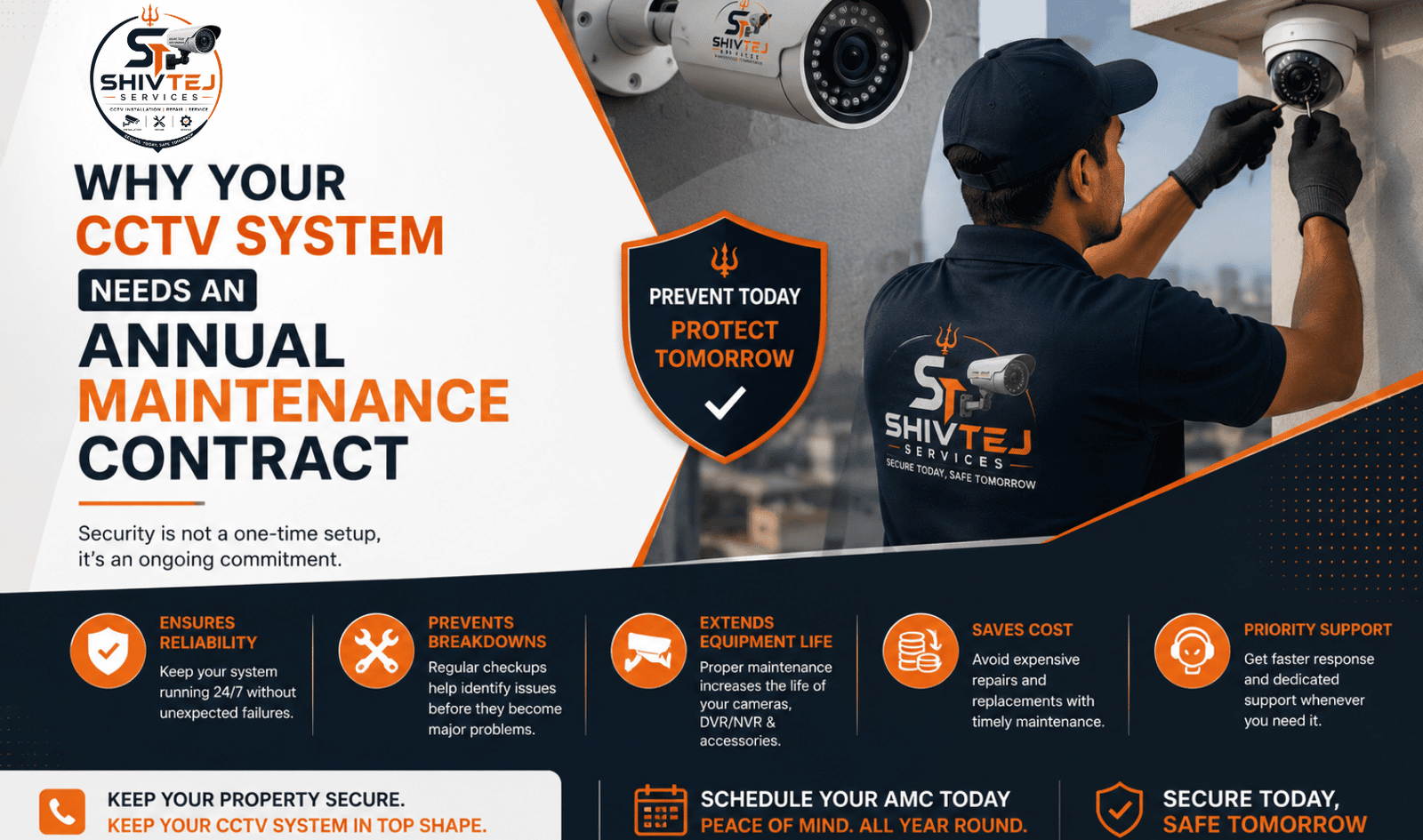
Regular inspection, cleaning and software updates keep your surveillance system reliable all year round.


Comments
Be the first to comment on this article.