A practical 2026 guide to planning CCTV installation for homes, shops and offices across Pune and PCMC.
A reliable CCTV installation is not just about buying cameras. It requires the right camera type, correct placement, suitable recording storage, dependable power/networking and a setup that can actually produce usable footage when an incident occurs.
Many buyers begin with a simple question: “How many cameras do I need?” A better starting point is: “Which areas must be identifiable, which only need general coverage, and how long should recordings be stored?” Two properties with the same number of cameras can have very different security outcomes because lens choice, camera height, lighting and recording settings change what the system can capture.
For Pune and PCMC properties, planning should also consider entrances exposed to rain, mixed indoor/outdoor lighting, night-time vehicle movement, Wi-Fi or LAN availability and backup power. A professional site survey helps convert these practical conditions into a camera and recorder plan instead of relying on a one-size-fits-all package.
Start with the security objective. A home may need gate, parking and main-door visibility. A retail shop may need entrance, billing counter, stock area and customer floor coverage. An office may need reception, access points, server or storage areas and common spaces.
Then decide what level of detail is required at each point. Wide-angle coverage is useful for situational awareness, while entrances and cash-handling areas often need tighter framing so faces or events are easier to identify.
Finally, decide whether you need local recording, mobile viewing, remote playback, audio where legally and operationally appropriate, and how many days of footage you expect to retain. Storage should be calculated from camera resolution, frame rate, compression, recording mode and number of cameras — our DVR vs NVR comparison explains how these choices affect retention.
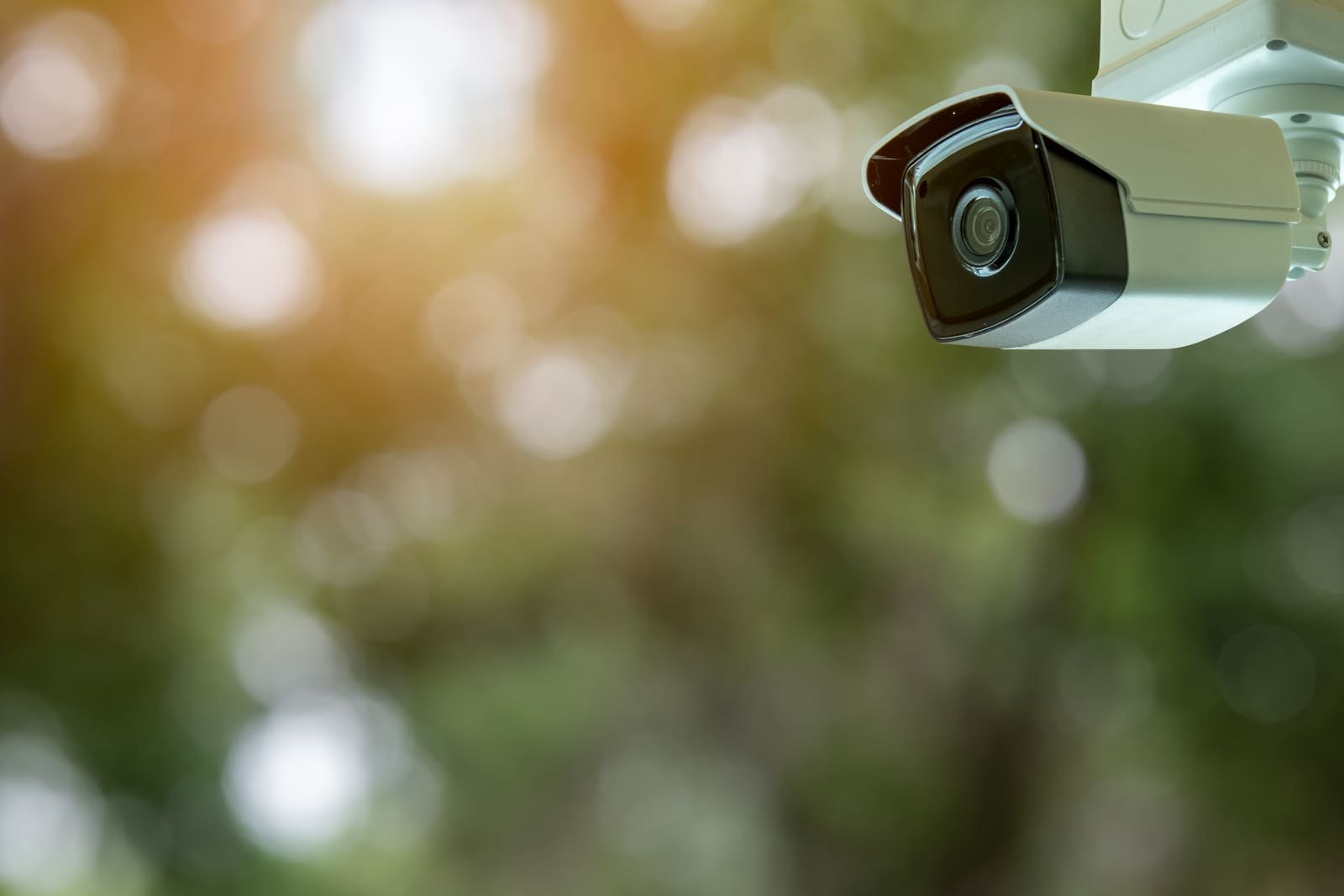
Dome cameras are often chosen for indoor spaces because their compact enclosure blends into ceilings and makes the viewing direction less obvious. Bullet cameras are visually prominent and often suit outdoor perimeters, gates and long corridors. Turret cameras can be a practical alternative where good night image performance and easier lens positioning are priorities. See our dome vs bullet camera comparison for a closer look at which suits each area of a property.
Camera shape alone does not determine image quality. Resolution, sensor performance, lens angle, low-light capability, WDR, infrared performance, weather rating and installation position matter more than whether the camera is dome or bullet. See our camera brands page for the makes we install and service.
DVR systems are commonly used with coax-based analogue HD cameras, while NVR systems generally work with IP cameras over Ethernet networks. Existing cabling, future expansion, desired image quality, network design and budget all influence the right choice.
For new installations where structured networking is practical, IP/NVR systems can offer flexible expansion and higher-resolution options. For properties that already have usable coaxial cabling, a DVR-based upgrade may be cost-effective. The correct decision should come from the site condition rather than from a blanket “newer is always better” rule.
Prioritize entry and exit points, parking access, gates, reception or billing areas, stock/storage zones and other locations where an incident is likely to begin or where identification may be needed. Avoid placing every camera too high simply to protect it from tampering; excessively high angles can reduce facial detail.
Also test for backlight, glare, infrared reflection, tree movement, signboards and obstructions. A camera that looks well positioned during daytime can become ineffective at night if headlights, reflective walls or poor IR placement wash out the image.
A strong installation process usually includes requirement discussion, site survey, camera-position plan, equipment selection, cabling/network design, mounting, recorder configuration, storage setup, mobile access, testing and user handover.
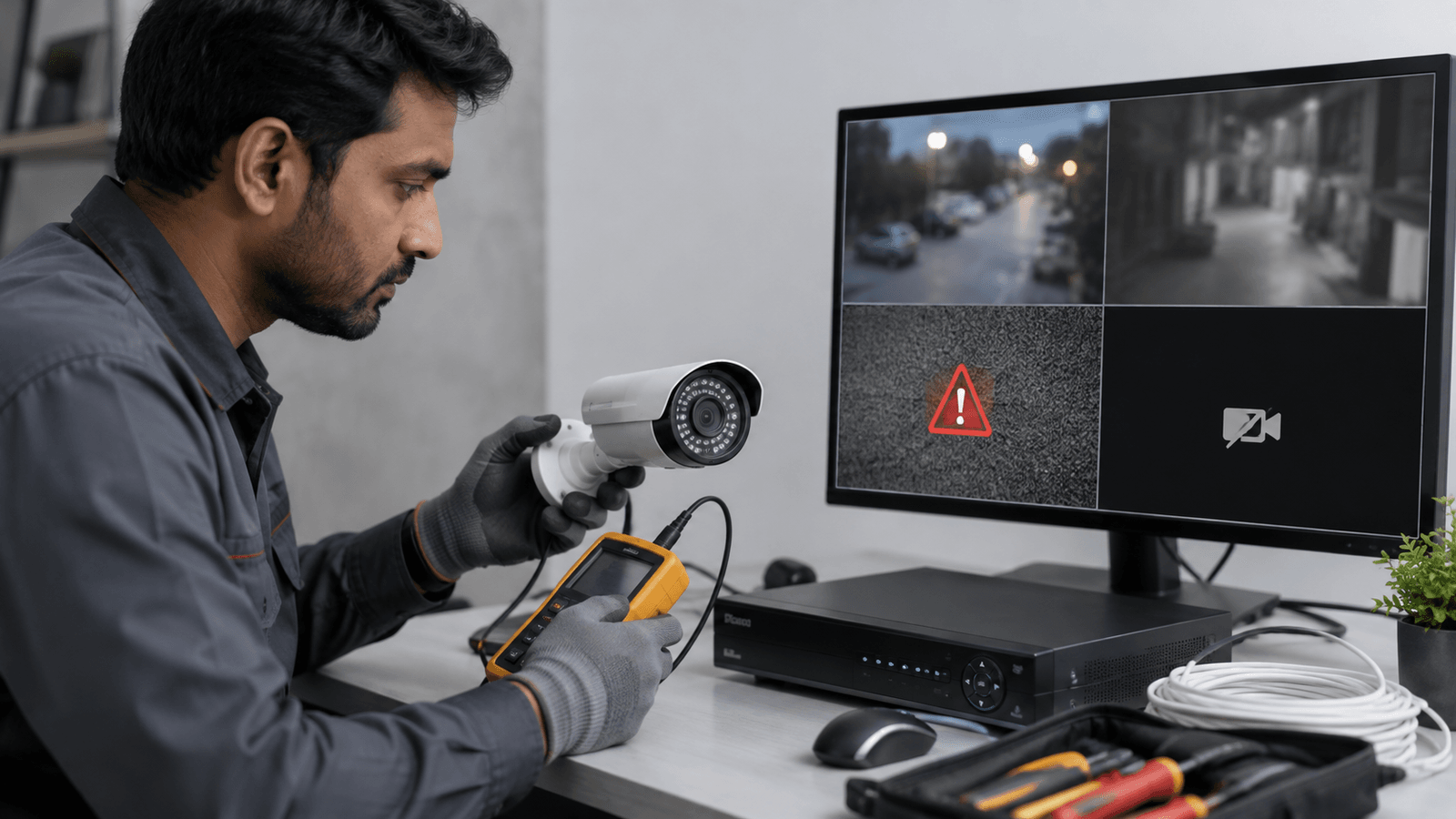
Testing should include both live view and recorded playback. The installer should verify time/date settings, recording schedules, hard-drive status, remote viewing, night image quality and whether key scenes remain visible under normal operating conditions.
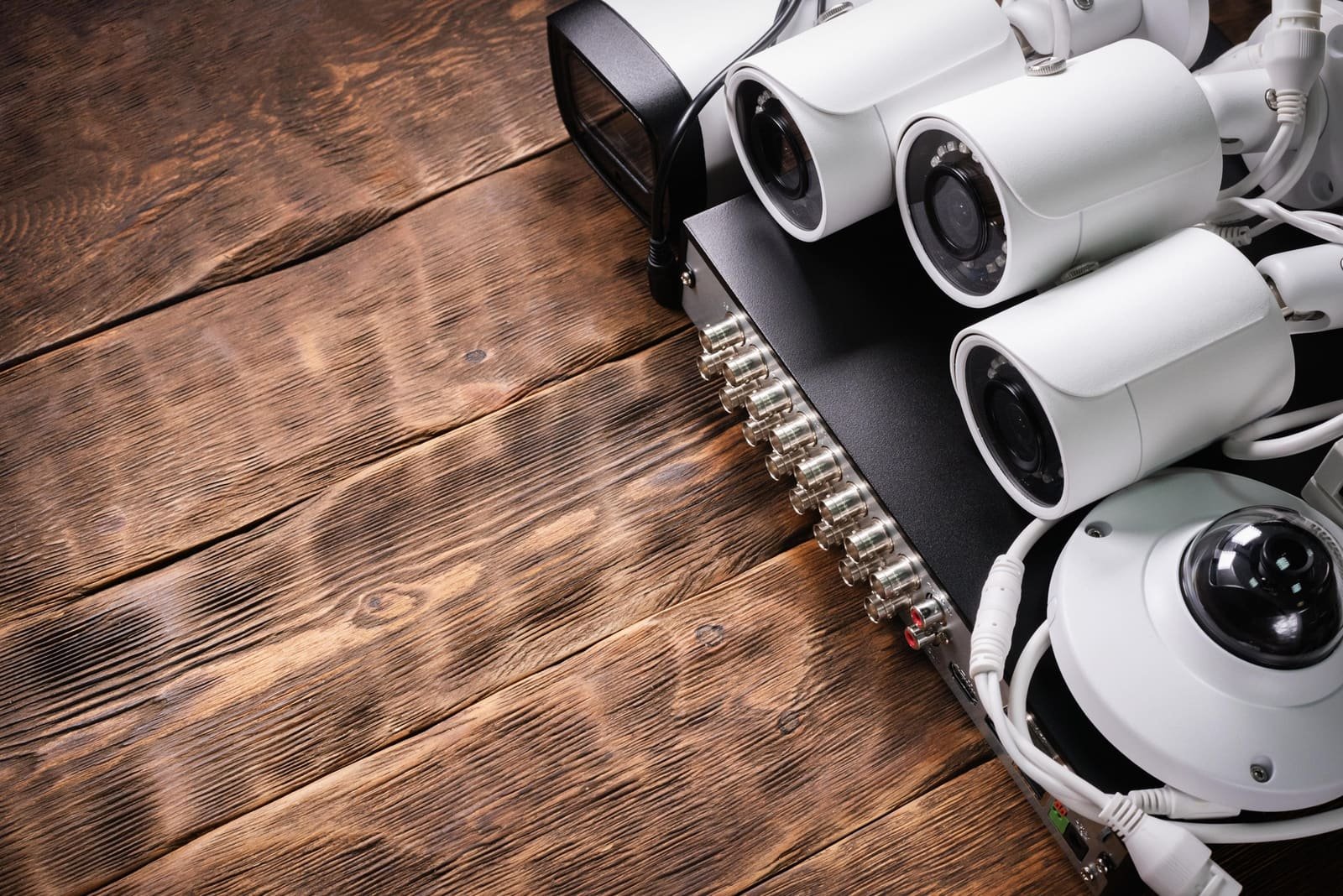
Whether you go with a coax-based DVR or a network-based NVR should come from your site condition, not a blanket rule.
Ask whether the installer performs a site survey, explains camera placement and storage, tests playback, configures mobile viewing and provides after-sales support. A useful proposal should explain what problem each camera is solving rather than only listing product model numbers.
Shivtej CCTV provides CCTV installation, repair, AMC, DVR/NVR setup, remote monitoring support and security consultation across Pune and PCMC. For a suitable system, the first step is a property-specific assessment rather than an oversized package — see our CCTV installation cost guide for the factors that affect pricing.
Need help with CCTV in Pune or PCMC? If you are planning a new CCTV system, troubleshooting an existing setup or reviewing maintenance requirements, Shivtej CCTV can help with CCTV installation, repair, AMC, DVR/NVR setup, remote viewing and security consultation across Pune and PCMC — including Kondhwa, Mundhwa, Bibwadi and nearby areas. Call or WhatsApp +91 93093 73785 or get in touch with our team.



Comments
Be the first to comment on this article.