A plain-English comparison of DVR and NVR systems to help you choose the right recorder for a new CCTV installation or upgrade.
A DVR usually records compatible analogue HD cameras connected through coaxial cabling. An NVR usually records IP cameras connected over Ethernet networks. NVR is often preferred for new IP-based installations, while DVR can remain practical when usable coax cabling is already installed.
A Digital Video Recorder receives video from compatible analogue or HD-over-coax cameras and records it to a hard drive. Cameras typically use coaxial cable for video plus separate or combined power arrangements, depending on the installation.
A Network Video Recorder records video streams from IP cameras connected over a network. In many systems, Power over Ethernet can carry data and power through one Ethernet cable when the camera, switch and NVR design support it.

Cabling: DVR commonly uses coax; NVR commonly uses Ethernet. Camera type: DVR works with compatible analogue/HD-over-coax cameras; NVR works with IP cameras. Expansion: NVR systems can be flexible when network infrastructure is well designed. Existing infrastructure: DVR can be attractive when good coax cabling is already in place.
Image quality depends on the actual camera and recording specification. IP/NVR platforms often offer a wider range of high-resolution camera options, but a poorly chosen IP camera can still produce worse footage than a well-selected coax camera. Compare the complete system, not just the recorder label. Higher resolution and more channels also mean more storage — see our CCTV footage storage guide for how to estimate retention before you buy a hard drive.
If an older property has existing coaxial cables in good condition, upgrading the DVR and cameras can reduce rewiring. If you are planning a new installation with structured networking, an NVR/IP design may provide a cleaner path for future expansion. Not sure if an upgrade is even needed yet? Our guide on when to upgrade an old CCTV system covers the warning signs worth checking first.
Yes, many modern systems can provide mobile viewing and playback. Remote access depends on the recorder, network connection, app/service and correct configuration rather than DVR versus NVR alone.
Reliability depends on equipment quality, storage drive, power stability, cable quality, connectors, network design and maintenance. An NVR on an unstable network can have problems, just as a DVR with poor coax connectors can have video loss.
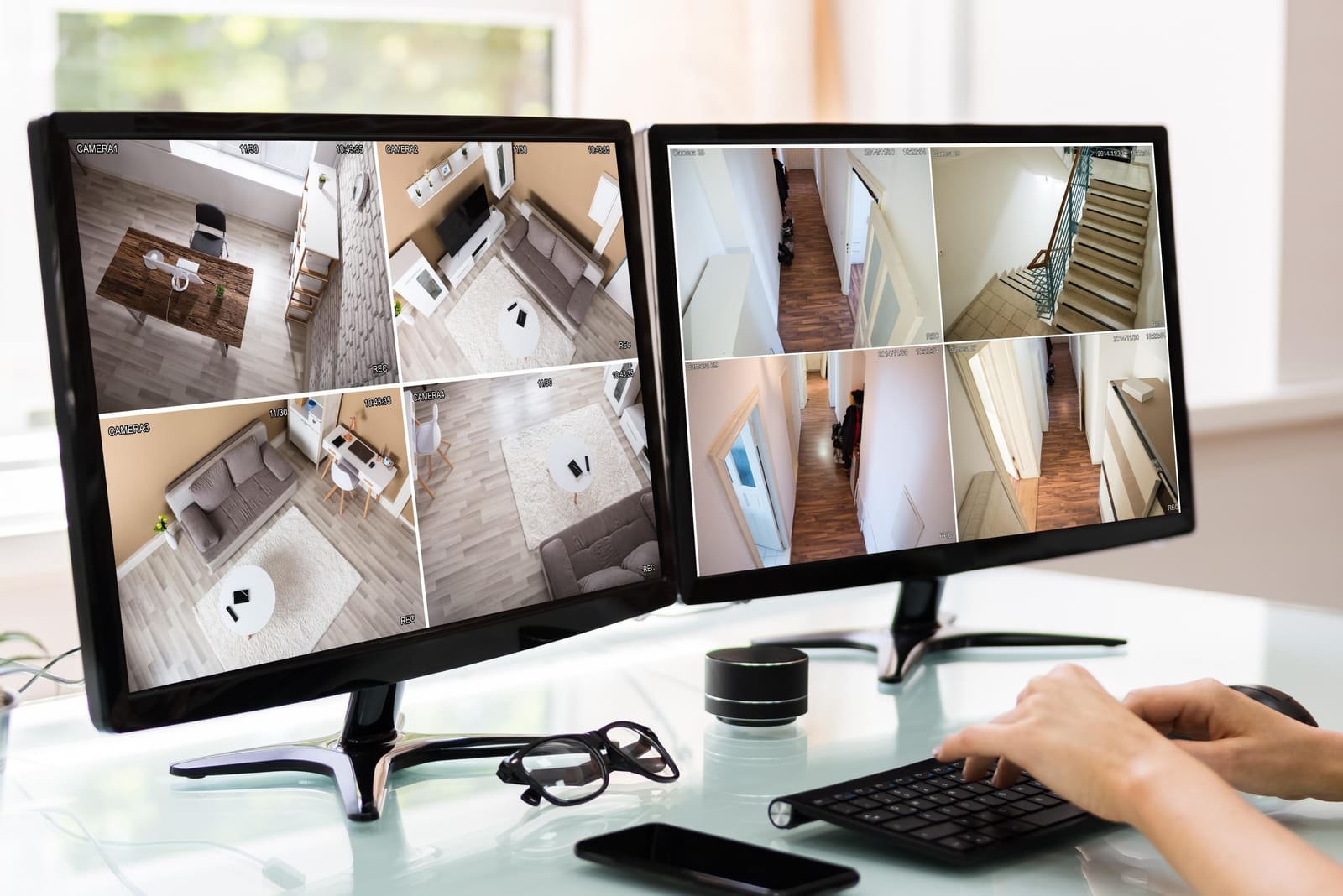
NVR platforms built on IP cameras and Ethernet often give the most flexibility for future expansion.
Choose DVR when existing coax infrastructure is valuable and meets the required image quality. Choose NVR when you want an IP-based system, network flexibility or easier integration with modern IP cameras. For mixed or larger sites, ask our installation team for a design based on bandwidth, storage and future expansion rather than a generic package. Budget is often the deciding factor, so it helps to review our CCTV installation cost guide before committing to either recorder type.
Need help with CCTV in Pune or PCMC? If you are planning a new CCTV system, troubleshooting an existing setup or reviewing maintenance requirements, Shivtej CCTV can help with CCTV installation, repair, AMC, DVR/NVR setup, remote viewing and security consultation across Pune and PCMC — including Kondhwa, Mundhwa, Bibwadi and nearby areas. Call or WhatsApp +91 93093 73785 or get in touch with our team.




Comments
Be the first to comment on this article.