A society-focused CCTV planning guide covering gates, common areas, parking, recorder storage, network design and maintenance.
A housing-society CCTV system should prioritize gates, building entrances, lobbies, parking access, common passages and other shared security points. The design should balance coverage, identification quality, retention, privacy and maintainability across multiple buildings or zones.
Large societies should divide the property into zones such as main gate, secondary gate, parking, building entrances, lobbies, lifts/lift waiting areas, clubhouse/common facilities and perimeter points. The goal is to track movement between zones without creating unnecessary surveillance of private interiors.
Gate cameras should be positioned for usable views of people and vehicles. A single ultra-wide camera may show the whole gate but fail to identify faces. Consider separate overview and identification views when the gate width or traffic pattern requires it. Gates and perimeter points are also where motion and human-intrusion alerts tend to add the most value for a society.
Basements can have low light, pillars and long lanes. Camera placement should account for vehicle movement, pedestrian paths and blind corners. Test night/low-light footage and ensure the chosen camera can handle headlight contrast.
Building entries and lobbies are common transition points. Cameras should cover people entering the building without pointing into private flats. Lift interiors or lift waiting areas may be considered based on society policy, building design and applicable rules.
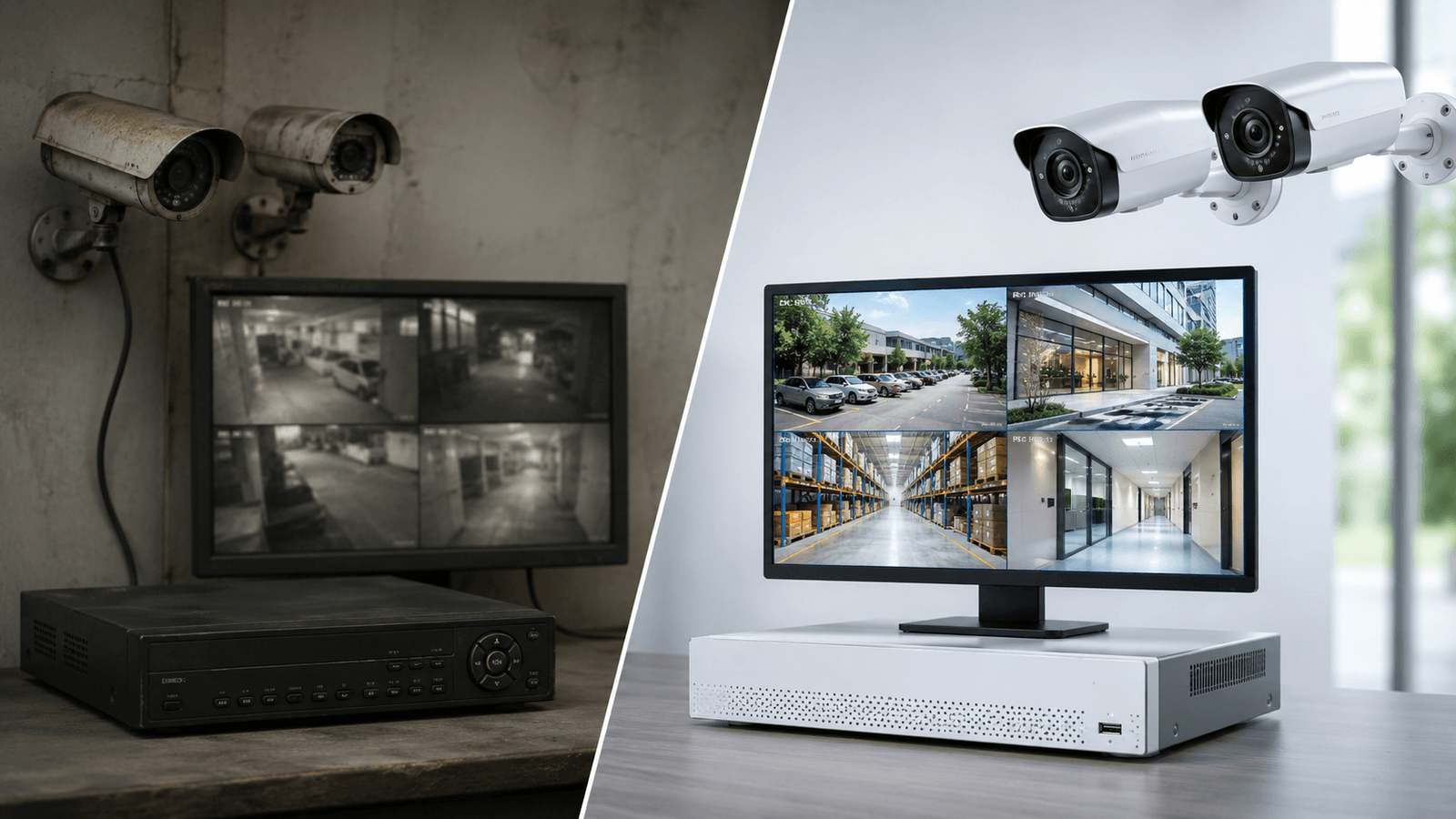
Smaller societies may use a centralized recorder. Larger properties can require multiple recorders, network switches or distributed architecture. The design should consider cable distance, bandwidth, power backup, maintenance access and how security staff will review footage.
The society committee should define retention expectations and critical cameras. Storage calculations must consider camera count, resolution, bitrate/compression and recording mode. High camera counts can make storage one of the largest system-design factors, and it is usually the biggest swing item in overall CCTV installation cost for a large property.
Access should be restricted to authorized persons and handled under clear society procedures. Password sharing should be controlled, and recorder/network access should be secured. The purpose is security, not unrestricted viewing.
Basement and open parking coverage needs to account for low light, pillars, blind corners and headlight contrast.
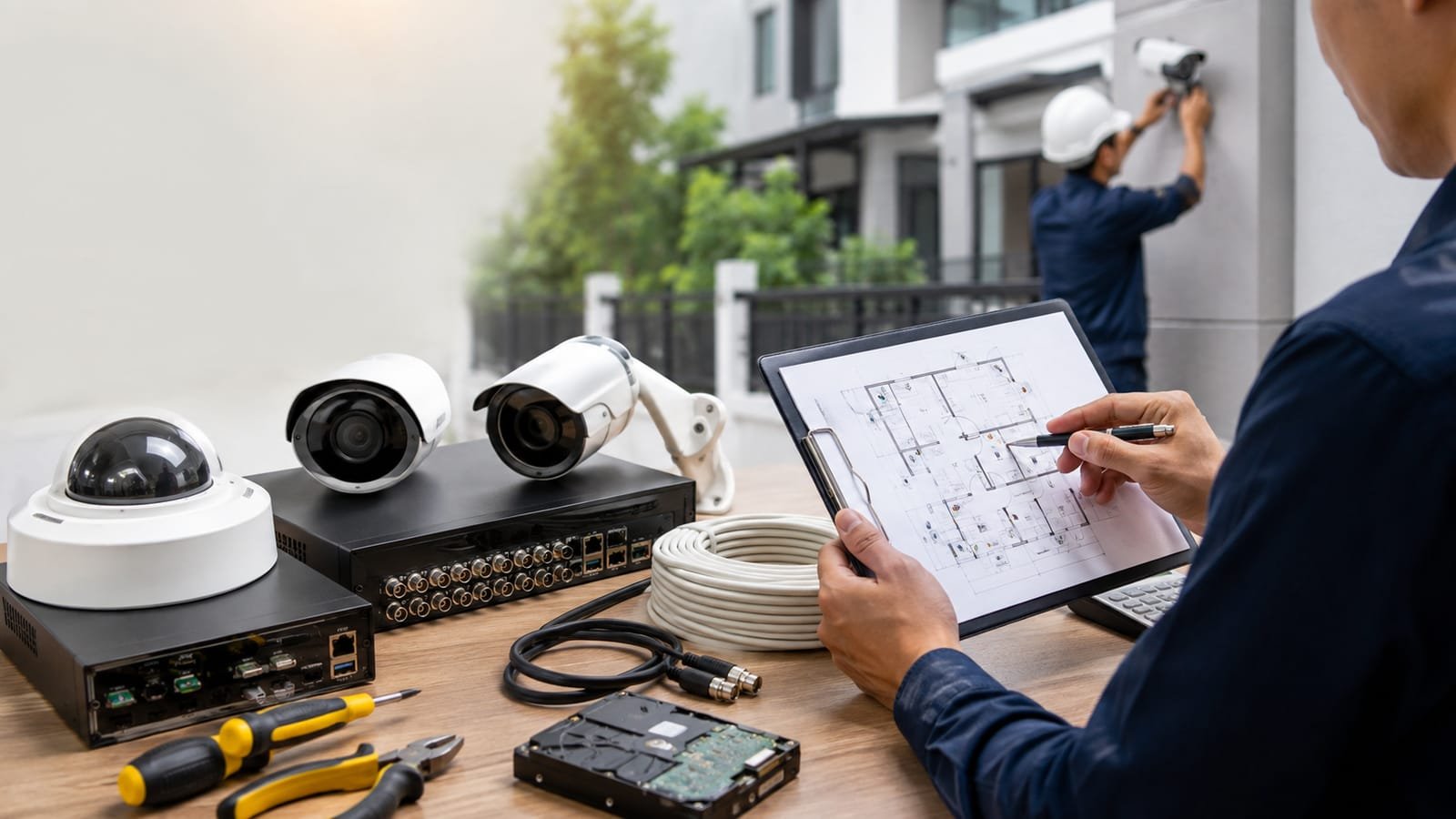
Multi-camera systems can develop faults gradually: one camera goes out of focus, a hard drive reports errors, a switch port fails, a cable gets damaged or the mobile/monitor setup changes. A proper CCTV AMC contract with preventive maintenance helps detect these issues before footage is needed.
Need help with CCTV in Pune or PCMC? If you are planning a new CCTV system, troubleshooting an existing setup or reviewing maintenance requirements, Shivtej CCTV can help with CCTV installation, repair, AMC, DVR/NVR setup, remote viewing and security consultation across Pune and PCMC — including Kondhwa, Mundhwa, Bibwadi and nearby areas. Call or WhatsApp +91 93093 73785 or get in touch with our team.


Comments
Be the first to comment on this article.